
15 September 2022 · 12 min read
Ceramic Coatings Explained: Are They Worth It?
What is a ceramic coating?
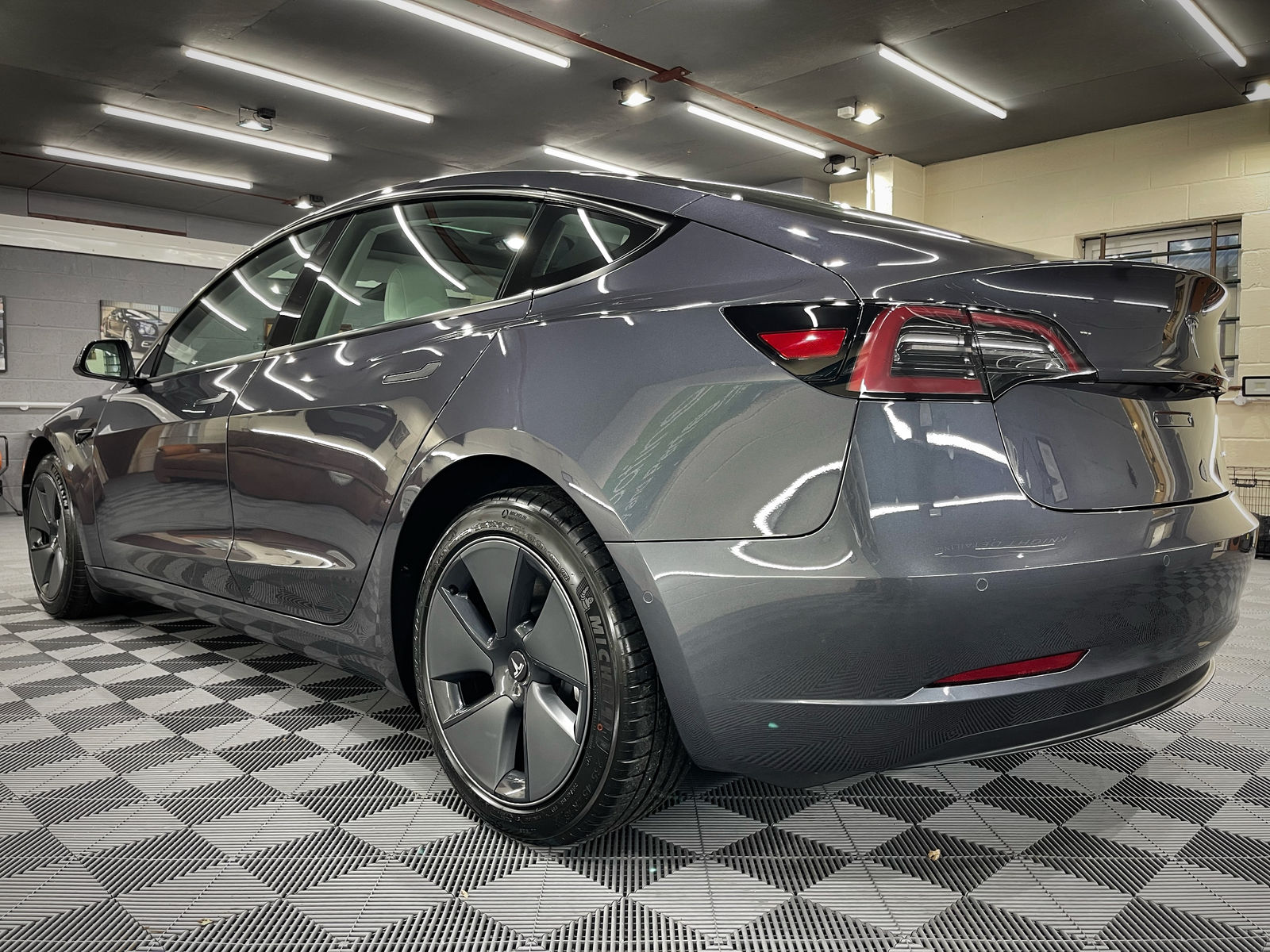
Ceramic coatings are a protective layer applied to a vehicle's paint (and other surfaces) to protect it from the environmental factors that damage unprotected paint, while making the car far easier to wash and maintain.
A coating bonds to the surface, sealing the paint in and essentially becoming the new outer layer — the thing that takes the hit from UV, road salt, chemicals and everything else the road throws at it. As well as protecting, coatings add gloss and clarity, and because they are strongly hydrophobic, washing and maintenance become much easier.
They bond at a molecular level and are called "ceramic" because they introduce a layer of silicon dioxide (SiO2, also known as silica) — the major ingredient in glass, quartz and sand, and similar to the clear glaze on plates and cups. Once cured, a layer of SiO2 is very hard, very shiny and waterproof.
What does a ceramic coating do?
Most car enthusiasts have waxed a car at some point. A ceramic coating works in a similar way to a wax, but with a few key differences:
- —Coatings make a strong chemical bond with the paint, giving lifespans measured in years rather than months
- —They are highly chemical resistant, so they can't simply be washed off like a wax
- —They protect against UV damage, so a coated car won't fade or lose its gloss over the life of the coating
- —Once cured, a coating is much harder than wax, offering a higher level of protection
- —They give far better resistance to etching from bird droppings
Do ceramic coatings work?
The short answer is yes — and some are really very good. But not all ceramic coatings are created equal, and most brands will tell you theirs is the best. Some manufacturers make genuinely high performing products; others sell coatings that don't perform, or that are simply relabelled versions of someone else's product.
How the coating is applied, and in what conditions, has a huge impact on durability and performance. A coating should be applied indoors, in a controlled environment, within strict temperature ranges and by a professionally trained installer, then left indoors long enough to cure before it goes outside. Ceramic coatings should never be applied outdoors or in direct sunlight. Follow those rules and you end up with a car that looks beautiful for years, with paint that is easy to keep clean.
What preparation is needed?
As with so many things, preparation is the key to success, and that is particularly true with coatings. Before a coating goes on, the following has to be done:
- —A thorough, detailed safe wash
- —Paint decontamination to remove tar spots, tree sap and iron fallout
- —Removal of any old waxes or sealants
- —Clay bar work to leave the paint perfectly smooth
- —The vehicle dried thoroughly
- —Machine polishing to the desired standard of correction
- —A panel wipe to remove all oils and polishing residues, so the coating can make the chemical bond it needs
- —Application of the coating itself
Wax vs ceramic coating
A wax gives a lovely glossy finish, but the benefits of a coating are substantial. The biggest differences are the increase in UV protection, chemical resistance and durability that a coating provides.
PPF vs ceramic coating
Paint protection film and ceramic coating are both very effective, but they are very different things. A coating is a liquid, applied and buffed off, that cures into a thin but extremely durable layer. PPF is a tough, clear vinyl, usually fitted using pre-cut templates, a panel at a time, with soapy solutions and water.
PPF creates an almost invisible but highly protective layer that guards the paint against stone chips, minor scuffs and damage. It doesn't have the same hydrophobic properties as a coating, which is why people often apply a ceramic coating over the top of PPF to gain the easy-washing benefits of both. It can't be done the other way round — a coating underneath would stop the film sticking to the paint.
Is a ceramic coating worth it?
Ceramic coatings give tremendous value and performance compared with other forms of paint protection. A high quality coating costs more up front than, say, a coat of wax, but a large part of that cost is the cleaning, preparation and machine polishing — and that process can transform the condition of the paint, taking gloss to a level better than new while removing swirls, fine scratches, holograms, water spots and bird dropping etching.
Once a coating is on, you won't need to polish the car again for the life of the coating. For most of that time, the only thing you need to do to maintain the paint is a safe wash. Spread the cost of a coating over the years it lasts, and compare it against repeated waxing, decontamination and polishing, and the value becomes obvious.
How long does a ceramic coating last?
Professional coatings are generally rated from around two years up to five years or more, depending on the product used and how the car is used, stored and washed. A garaged car that is washed correctly will keep its coating performing far longer than one that lives outside and goes through automatic car washes.
What happens to a coating over time?
Coatings don't fall off a cliff; they gradually lose some of their water behaviour as the surface picks up contamination and traffic film. A decontamination wash and a top-up product will usually restore much of the original performance, which is why I offer maintenance for coated cars — including coatings applied by someone else.
How do you wash a ceramic coated car?
Exactly as you should wash any car you care about: pre-rinse, snow foam, a good wheel cleaner, the two bucket method with a quality shampoo and a soft mitt, then dry with a plush drying towel. Avoid automatic car washes and brushes at all costs — a coating is hard, but it isn't immune to being scoured with grit.
Do coatings prevent stone chips and scratches?
No. A coating is thin and hard, and it adds meaningful resistance to light marring and chemical attack, but it will not stop a stone chip or a key. If chip protection is your priority, paint protection film is the answer, ideally with a coating on top.
Can you polish a coated car?
Polishing removes the coating, because the coating is the outermost layer. If a coated car needs correcting, the coating is polished off and a fresh one applied afterwards.
New cars, older cars, matte paint
Coating a new car is the ideal time to do it — the paint is at its best, so the preparation is usually lighter and the finish is locked in from day one. Older cars benefit just as much, but often need more correction first to get the paint where you want it before it is sealed in. Matte and satin paint can be coated too, using dedicated matte-safe coatings that protect without adding gloss; never let anyone polish or wax a matte finish.
How do I choose a detailer?
Look for accreditation with the coating manufacturer, a portfolio of real work rather than stock photos, honest reviews, proper insurance, and somewhere clean and indoors to carry out the work. Ask what preparation is included in the price — a coating applied over uncorrected, contaminated paint is just sealing in the defects.
If you'd like to talk any of this through for your own car, drop me a message. I'm always happy to give honest advice, even if the answer is that you don't need a coating.
David Knight